Why Flexible Digital Pathology Beats Traditional Locum Coverage
Pathology labs have long operated close to capacity. The margin for error is now gone.
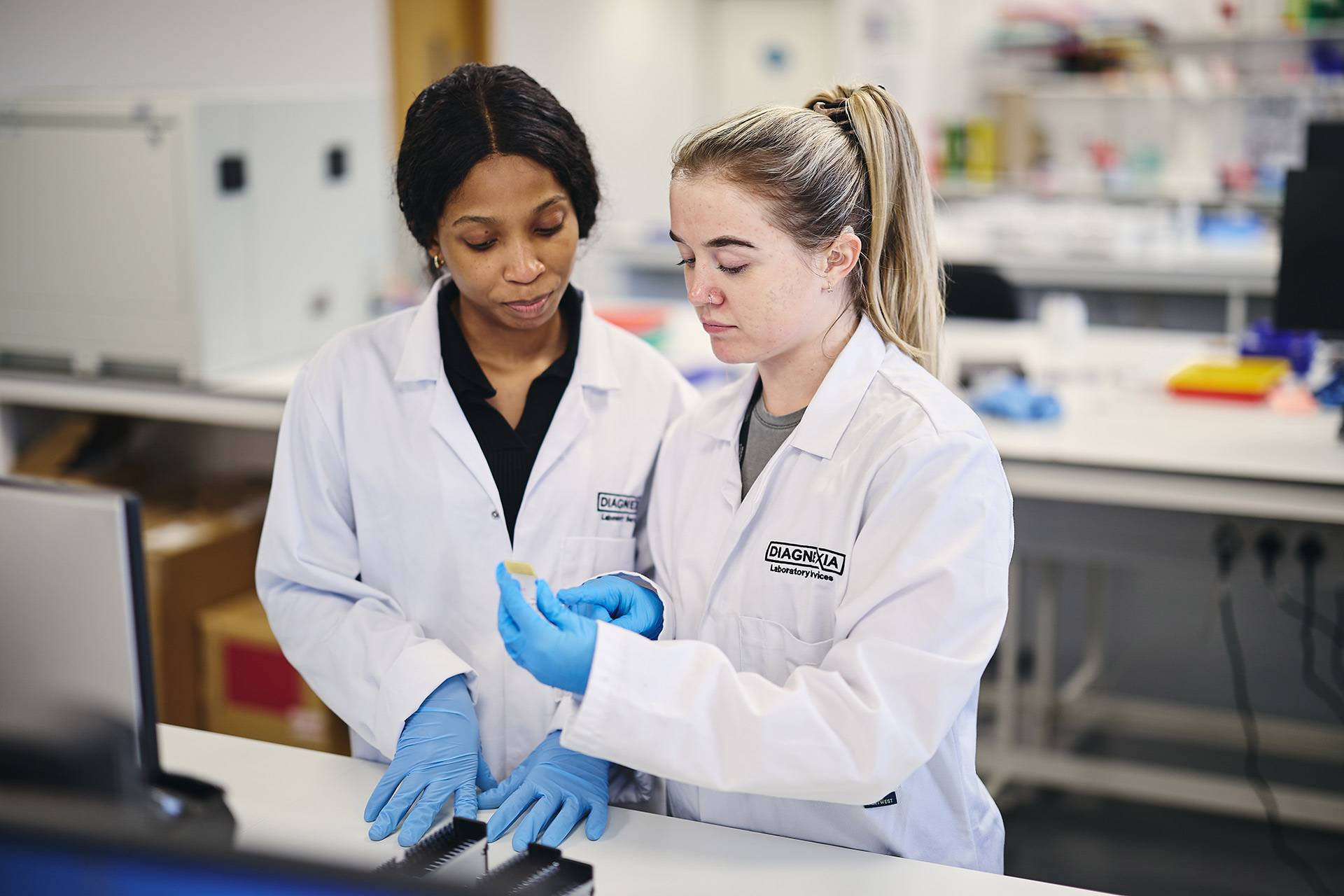
Diagnexia gives you on-demand access to trusted subspecialty pathologists so you can stop patching gaps and start delivering consistent diagnostic coverage.
Compare Locum vs Diagnexia Cost Impact“Never scramble for weekend pathology coverage again.”
Prof Runjan Chetty, Diagnexia CMO
Share This Article
Scaling Coverage for Today’s Pathology Workload
Pathology labs have long operated close to capacity. The margin for error is now gone. Workforce models predict a net deficit of more than 5,700 full-time-equivalent pathologists in the United States by 2030, driven largely by retirements in an aging workforce. With only around 600 new pathologists entering practice each year, that gap is unlikely to close quickly. At the same time, cancer incidence is rising and demand for pathology services is projected to increase by 20% over the next decade.
For decades, the locum model has served as the default pressure valve, but it was never designed to scale. As volumes rise and financial performance becomes increasingly tied to operational efficiency, its limitations are harder to ignore. The sustained pressure on remaining pathologists increases burnout risk, compresses review time and elevates the potential for diagnostic drift. Turnaround time is no longer viewed solely through a clinical lens either; in some payer contracts, it is incorporated into broader performance frameworks that influence reimbursement and financial predictability. Credentialing a locum pathologist typically takes four to six weeks, making the model unworkable for a sudden vacancy, a volume surge or a new client onboarding on short notice. For labs where turnaround time is a contractual obligation, that delay is not a scheduling inconvenience. It is a revenue and relationship risk.
Digital pathology represents a structural shift rather than a staffing workaround. Digitally enabled models allow laboratories to distribute cases across a pre-credentialed network, without relying on travel, temporary contracts or repeated onboarding cycles. This is the model Diagnexia is built around, connecting laboratories to a network of board-certified, state-licensed pathologists through a digitally enabled workflow, with built-in quality controls designed to scale with demand rather than react to it.
Reliable Access to Generalist and Subspecialty Expertise When You Need It
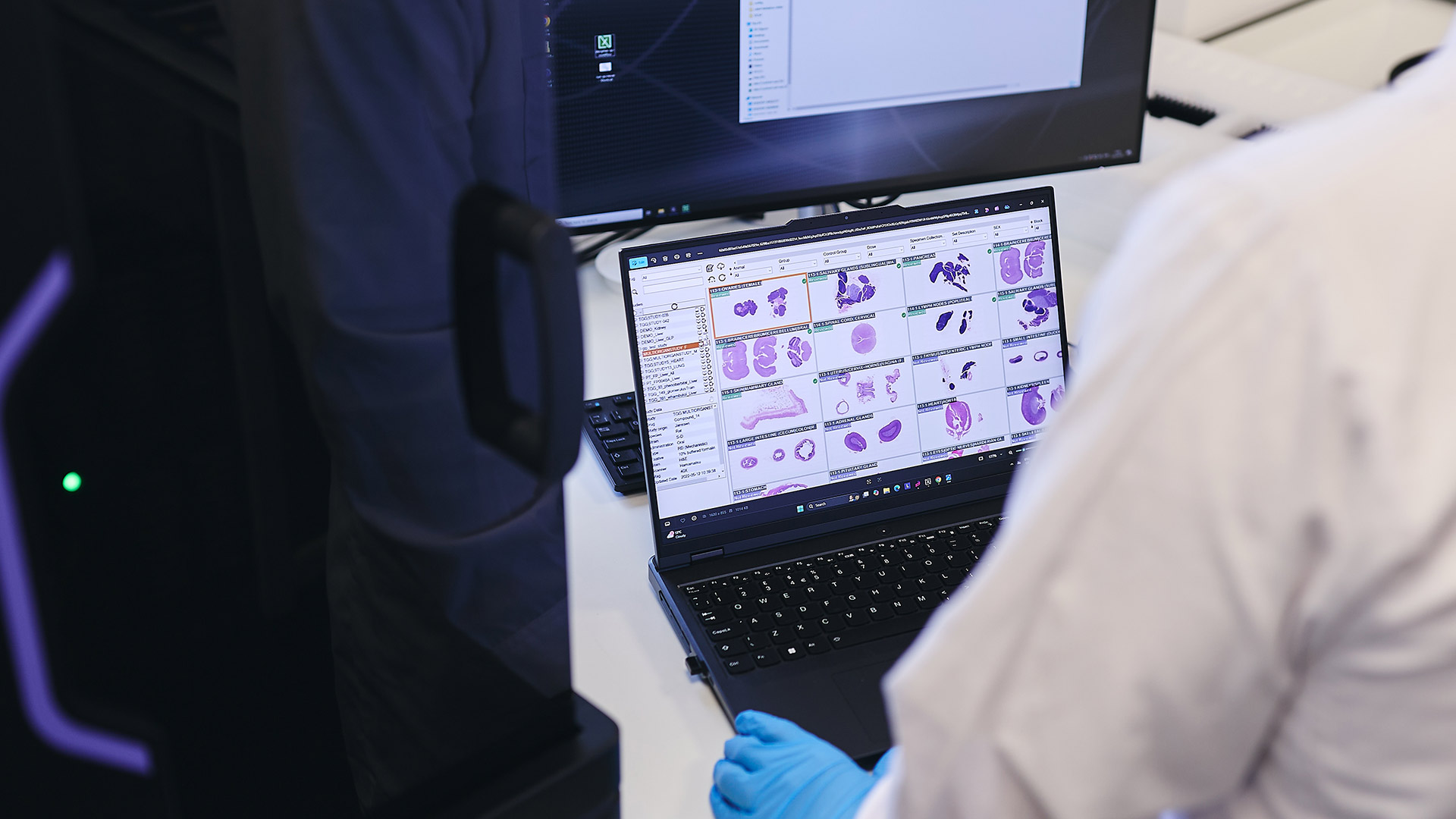
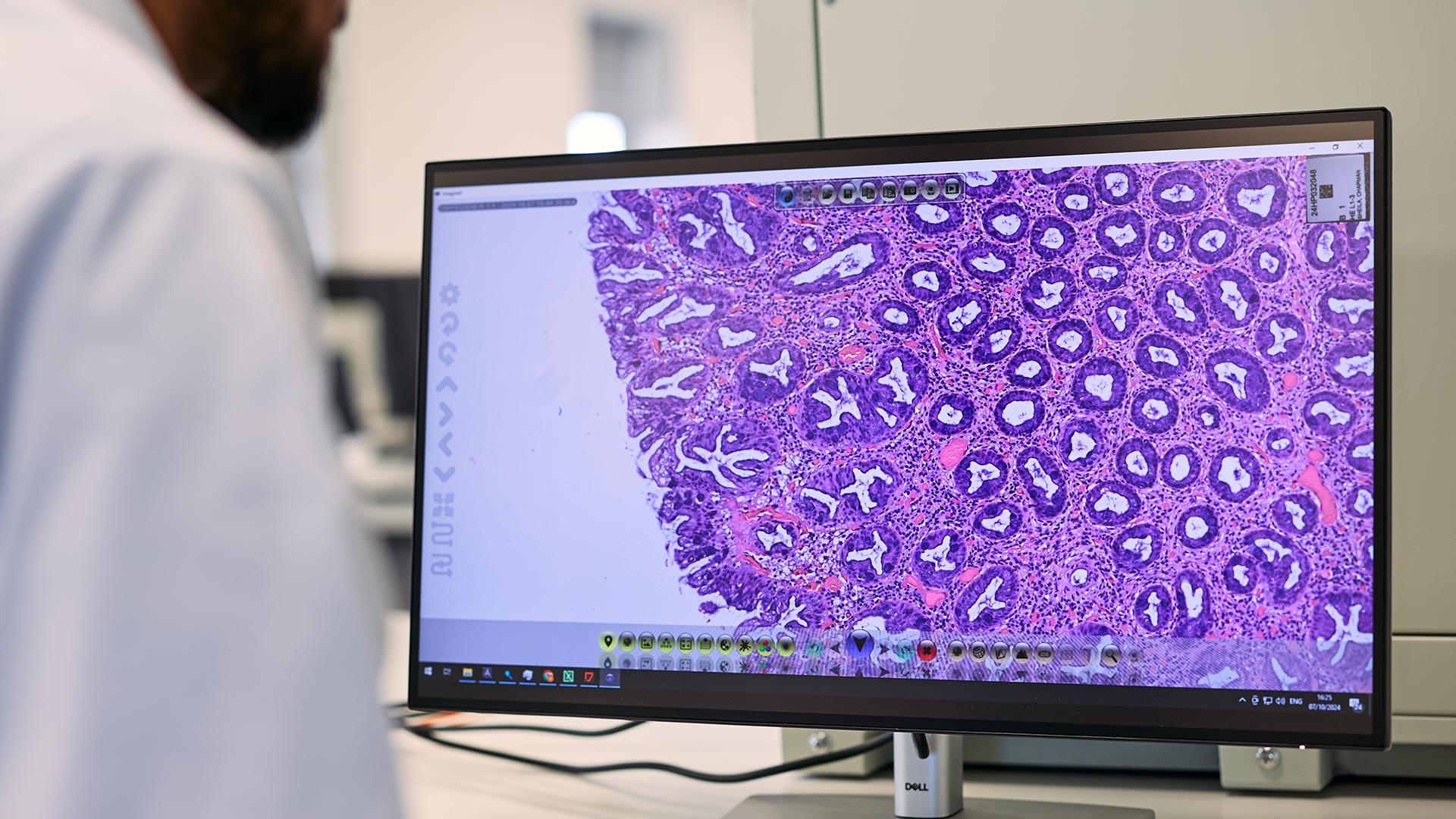
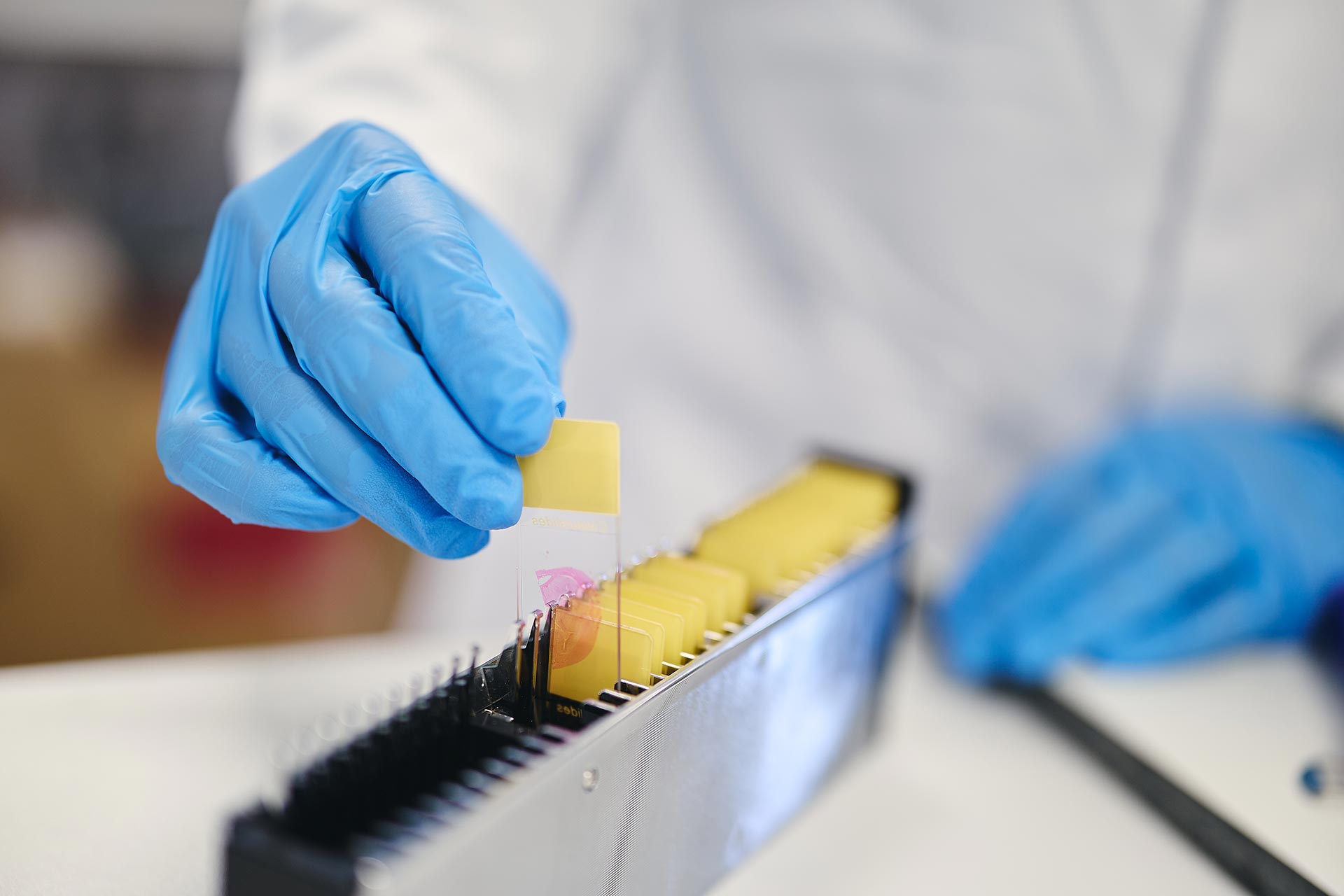
Diagnexia enables flexible access to both experienced generalists and subspecialty pathologists through the digitization of histopathology slides, either via on-site scanning or through secure routing to a U.S.-based scanning laboratory. This model allows pathology labs to extend diagnostic capacity and expertise without restructuring their internal teams or overhauling existing systems. Once digitized, cases move through Diagnexia’s integrated platform, where embedded quality controls and AI-enabled checks support slide integrity, appropriate case allocation and diagnostic consistency. The platform also supports a digital corridor consult model, enabling pathologists to flag a case and obtain rapid subspecialty input within the network without formal referral, case transfer or separate billing. The result is dependable coverage that strengthens operational continuity without the lead times, travel costs or repeated onboarding cycles that locum arrangements require.
Digital Enablement: Moving Beyond the Limits of Locum Coverage
Traditional locum coverage is inherently tied to physical presence. Pathologists must travel, adapt to local workflows and be scheduled well in advance, limiting flexibility and slowing response when demand shifts. Geographic constraints further restrict access to subspecialty expertise, particularly for smaller or rural laboratories that may have limited recruiting options.
Digital pathology changes this equation by decoupling diagnostic work from location. By enabling cases to be securely accessed, reviewed and signed out remotely, digital models create operational resilience that locums cannot match. Labs gain the ability to extend reporting into nights and weekends, respond more quickly to volume surges and maintain continuity without relying on short-term, location-bound solutions.
Diagnexia represents a differentiated implementation of this digital model. Rather than asking labs to invest in scanners, viewers, storage and ongoing software upgrades, Diagnexia provides an integrated digital backbone that supports both routine and digitally enabled workflows. Critically, the model ensures expertise is fully established, credentialed and onboarded in advance, including state licensure and compliance readiness, creating immediate access to pathologists who can scale with demand as volumes fluctuate. This stands in contrast to traditional contract-based locum arrangements, which are typically activated only after a coverage gap emerges. The operational outcome is dependable access to expertise, greater flexibility to scale up or down as needed and a future-ready workflow that addresses the structural gaps left by episodic locum coverage.
Lower and More Predictable Costs Than Locums
Locum coverage remains a familiar option in part because it offers immediate relief, but that relief often comes with high and variable costs. In the U.S., all-in locum costs commonly range from $3,000-$4,000 per day regardless of case volume, making spending difficult to forecast and challenging to align with actual workload.
Workforce shortages amplify these pressures. As case volumes increase with the same or fewer pathologists, productivity constraints can limit revenue capture and reduce margin performance. In cancer care and other high-value service lines, delays and capacity gaps can shift volume externally, impacting both financial performance and market competitiveness.
Flexible digital pathology shifts this dynamic. By aligning pricing to units of activity, digital models provide clearer visibility into cost per diagnosis while protecting revenue retention and improving margin stability. Diagnexia’s ability to absorb overflow capacity helps labs maintain service reliability and competitive positioning without relying on fixed daily locum arrangements that may not correlate with workload, delivering a more commercially sustainable approach to managing diagnostic demand.
From Short-Term Fixes to Long-Term Readiness
As pathology workloads grow and staffing pressures intensify, reliance on short-term locum coverage becomes increasingly reactive. The greater risk is not disruption from change, but continued dependence on a model never designed for structural workforce contraction. Digital capacity planning shifts coverage from reactive to engineered. By extending existing practice capabilities through scalable digital pathology and dependable subspecialty access, Diagnexia enables laboratories to protect diagnostic quality and maintain service continuity amid sustained workforce pressure.
If your organization is focused on protecting diagnostic continuity, the starting point is a clear assessment of whether your current coverage model can scale with demand. Engage with Diagnexia to evaluate your capacity exposure and build a digitally enabled strategy designed for long-term workforce realities, not temporary gaps.