The Hidden Operational Toll of the Locum Cycle
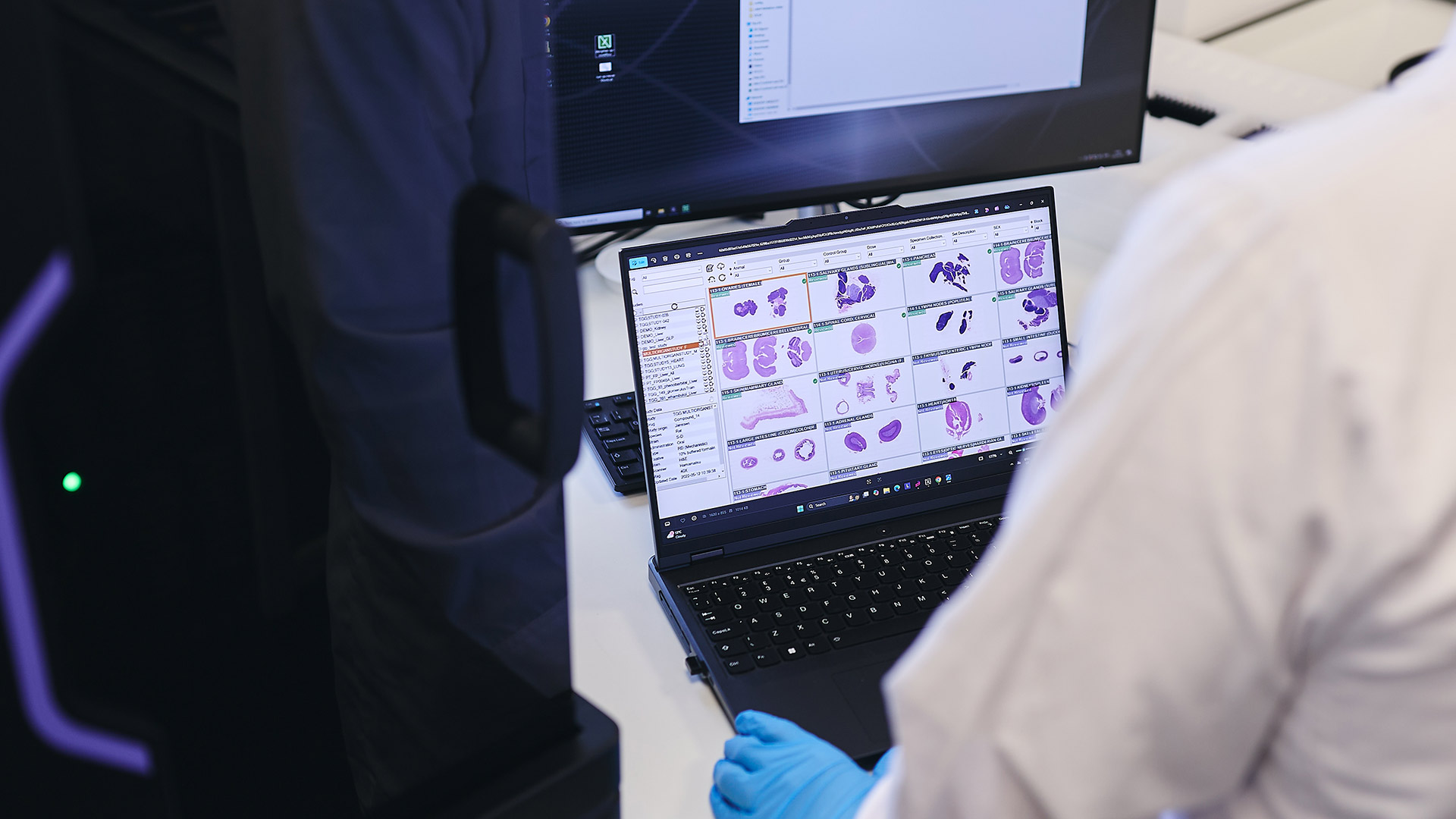
A pathology laboratory is one of the most operationally complex environments in healthcare.

Diagnexia gives you on-demand access to trusted subspecialty pathologists so you can stop patching gaps and start delivering consistent diagnostic coverage.
Compare Locum vs Diagnexia Cost Impact“Never scramble for weekend pathology coverage again.”
Prof Runjan Chetty, Diagnexia CMO
Share This Article
Beyond diagnostic interpretation, departments coordinate case accessioning, subspecialty distribution, LIS administration, compliance documentation, CPT alignment and revenue cycle integration, all within tightly managed staffing and throughput parameters. In this finely balanced system, even a single coverage gap can disrupt operational stability.
When pressure builds, many laboratories turn to locum tenens support. Yet what begins as temporary coverage often becomes a recurring operational pattern. Repeated locum reliance restarts credentialing cycles, requires new systems access configuration, disrupts workflow continuity and complicates forecasting. Over time, these repeated adjustments embed inefficiency into the department's operational foundation.
Administrative Burden of Repeated Onboarding
Each locum engagement triggers credentialing and privileging requirements that typically take 30 to 60 days to complete. Teams must verify licensure, board certification, malpractice coverage, payer enrollment and regulatory documentation before cases can be signed out. Even returning locums often require updated approvals. IT simultaneously provisions EHR and LIS access, configures permissions and aligns security protocols. These tasks repeat with every provider, creating cumulative administrative strain that shifts staff from strategic priorities to transactional onboarding.
Workflow Disruption and Team Strain
Pathology workflows depend on stable case routing, consistent expertise alignment and clearly defined turnaround expectations. Rotating locum coverage disrupts that stability. Cases must be redistributed, workflow coordinators adjust queues and manage additional handoffs to account for varying reporting styles and areas of focus. Laboratory managers and senior pathologists repeatedly orient temporary providers to local protocols, billing expectations and compliance standards. Communication patterns recalibrate with each assignment.
These disruptions intensify during high-volume periods, when staff balance orientation with throughput demands. Even minor differences in LIS navigation or documentation habits can slow sign-out and increase administrative touchpoints.
Reporting Inconsistency Across Temporary Staff
Operational consistency in reporting structure is critical for billing, tumor board preparation, registry abstraction and quality audits. Rotating locums may use different phrasing conventions, templates or synoptic formats. When multiple temporary providers contribute to a service line, reporting heterogeneity complicates data extraction, metric tracking and compliance documentation. The result is CPT reconciliation errors for billing teams and difficulty defending reporting standards during inspections. Template drift can gradually undermine structured data integrity within the LIS, creating downstream inefficiencies that require repeated corrective intervention.
Forecasting Instability and Budget Volatility
Perhaps the most underestimated consequence of the locum cycle is forecasting unpredictability. Recruitment timelines, contract negotiations, credentialing approvals and shifting availability introduce uncertainty into capacity planning. Departments may over-contract to avoid gaps or underutilize locums during slower periods, creating budget inefficiencies. According to CHG Healthcare’s 2025 State of Locum Tenens report, a single physician vacancy can represent approximately $2.6 million in annual revenue gaps for a health system, meaning the financial exposure of unstable coverage extends well beyond the cost of the locum contract itself. In environments where payers incorporate value-based metrics, variability in performance measures such as turnaround time compounds that exposure further.
A Structural Alternative: Digitally Integrated Pathology Capacity
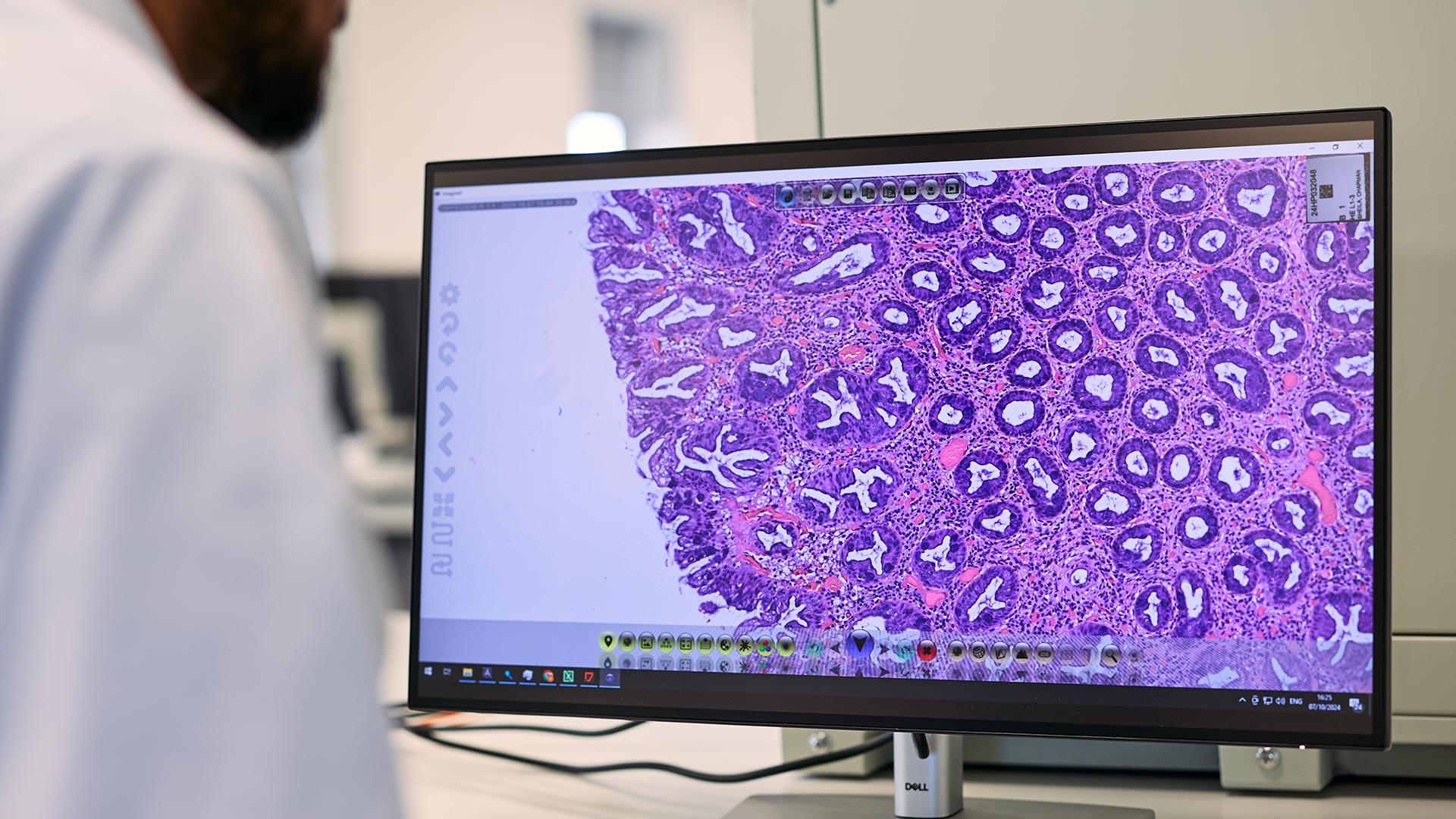
Locums remain a practical short-term solution, but repeated reliance introduces cumulative inefficiencies that gradually erode operational stability. A digitally integrated external capacity model addresses these challenges structurally rather than episodically.
Under this model, cases move through a secure digital channel operated under Diagnexia's own CLIA-certified laboratory infrastructure rather than being routed through a temporary on-site provider. This shifts the credentialing pathway from repeated individual hospital privileging to a single organizational relationship established in advance. Diagnexia maintains a pre-credentialed bench of subspecialists whose state licensure, board certification and compliance documentation are managed centrally. When volume fluctuates, capacity draws from an already-credentialed pool rather than triggering a new 30 to 60 day cycle. At Arkansas Methodist Medical Center, this enabled full onboarding within one week after the unexpected loss of the department's only pathologist, not because credentialing was bypassed, but because it was already complete.
A digitally integrated model stabilizes workflow by embedding capacity directly into existing processes rather than inserting temporary individuals into them. At Diagnexia, cases move through a standardized digital channel that functions as an extension of the department. The operational variable becomes volume, not provider turnover. Reporting consistency is maintained through standardized frameworks aligned with the host laboratory's templates and structured data standards, minimizing heterogeneity and supporting analytics, CPT validation and regulatory oversight. From a financial planning perspective, capacity can expand or contract in alignment with case volume without restarting administrative cycles, stabilizing forecasting assumptions and reducing the budget volatility tied to individual locum contracts.
For pathology leaders evaluating long-term sustainability, the question is not whether locums have a role, but whether repeated cycles align with modern operational infrastructure.
Talk to Diagnexia about how a digitally integrated capacity model can reduce operational volatility and restore continuity for your pathology department.