From Stopgap to Strategy: When Should Labs Move Beyond Locums?
Pathology is expanding in scope, complexity and demand, yet the workforce available to deliver those services is tightening.
Diagnexia gives you on-demand access to trusted subspecialty pathologists so you can stop patching gaps and start delivering consistent diagnostic coverage.
Compare Locum vs Diagnexia Cost Impact“Never scramble for weekend pathology coverage again.”
Prof Runjan Chetty, Diagnexia CMO
Share This Article
Rising case volumes and increasing specialization have left many laboratories stretched thin and working to maintain consistent coverage. To sustain operations, labs often expand diagnostic capacity through locum tenens coverage or digitally enabled models. The leadership question is not whether additional capacity is needed, but when reliance on short-term locum coverage signals the need for a more strategic operating model.
Locum tenens coverage has a legitimate place in pathology. There are procedures like frozen sections, Mohs and ROSE where an on-site pathologist is genuinely required, often due to real-time surgeon interaction. Beyond those scenarios, locums can also stabilize operations during parental or medical leave, bridge sudden resignations, clear temporary backlogs, or absorb short-term volume spikes. In all these cases, locums serve a clear and defined purpose. The issue arises when temporary coverage becomes routine.
The pressure facing pathology departments is structural, not cyclical. Workforce analyses from the College of American Pathologists show contraction in the pathologist workforce alongside an aging demographic, with many practicing pathologists approaching retirement. The Health Resources and Services Administration projects a 7% decline in supply and a 16% increase in demand by 2037, signaling a sustained capacity gap.
At the same time, locum costs have escalated. Daily rates commonly range from $3,000 to $4,000 per day, translating into substantial annualized expenses depending on utilization. Beyond cost, each locum requires credentialing, payer validation, system access setup and workflow orientation. Repeated cycles introduce variability and administrative burden without expanding long-term capability.
When Does a Stopgap Become Strategy?
Locums are appropriate when a single absence creates a temporary gap and the department will return to baseline staffing within weeks.
But teams should reassess when one or more of the following becomes true:
- Locum use is recurring rather than exceptional. If coverage is needed multiple times per year, it is no longer a temporary solution. It is part of the staffing model.
- When recruitment cycles stretch well beyond planned timelines. When a vacancy has been open for six months, the problem is not the search. It is the supply.
- Recurring subspecialty gaps. When the need becomes predictable, the issue is capacity design, not temporary coverage.
- Locum spending becomes a predictable annual expense. If six-figure locum costs appear in every budget cycle, the department is operating in reactive mode.
- A full-time hire precedes the caseload that justifies it. If per-case revenue cannot cover a fixed salary, the model is absorbing a structural loss, not building toward one.
- Service lines are expanding. Growth in oncology programs, outreach contracts, or regional partnerships creates diagnostic demand that cannot be met by rotating individuals through a site. Episodic staffing fixes don't scale. The infrastructure has to.
When these patterns emerge, the challenge is no longer filling shifts. It is ensuring resilience.
The Strategic Shift: Digital Pathology as Infrastructure
When recurring locum use signals a structural issue, the solution is not another staffing cycle. It is a shift in operating model.
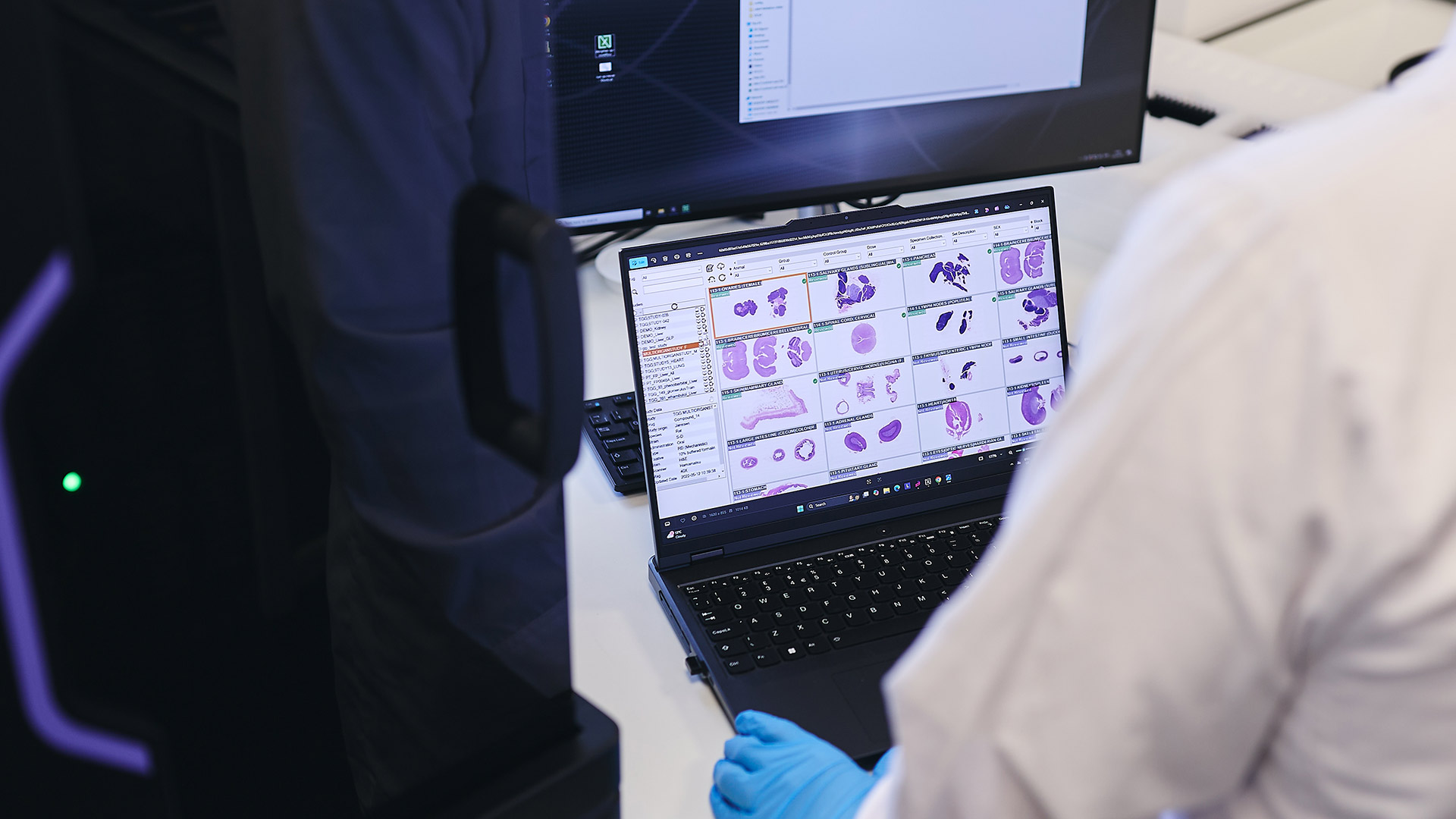
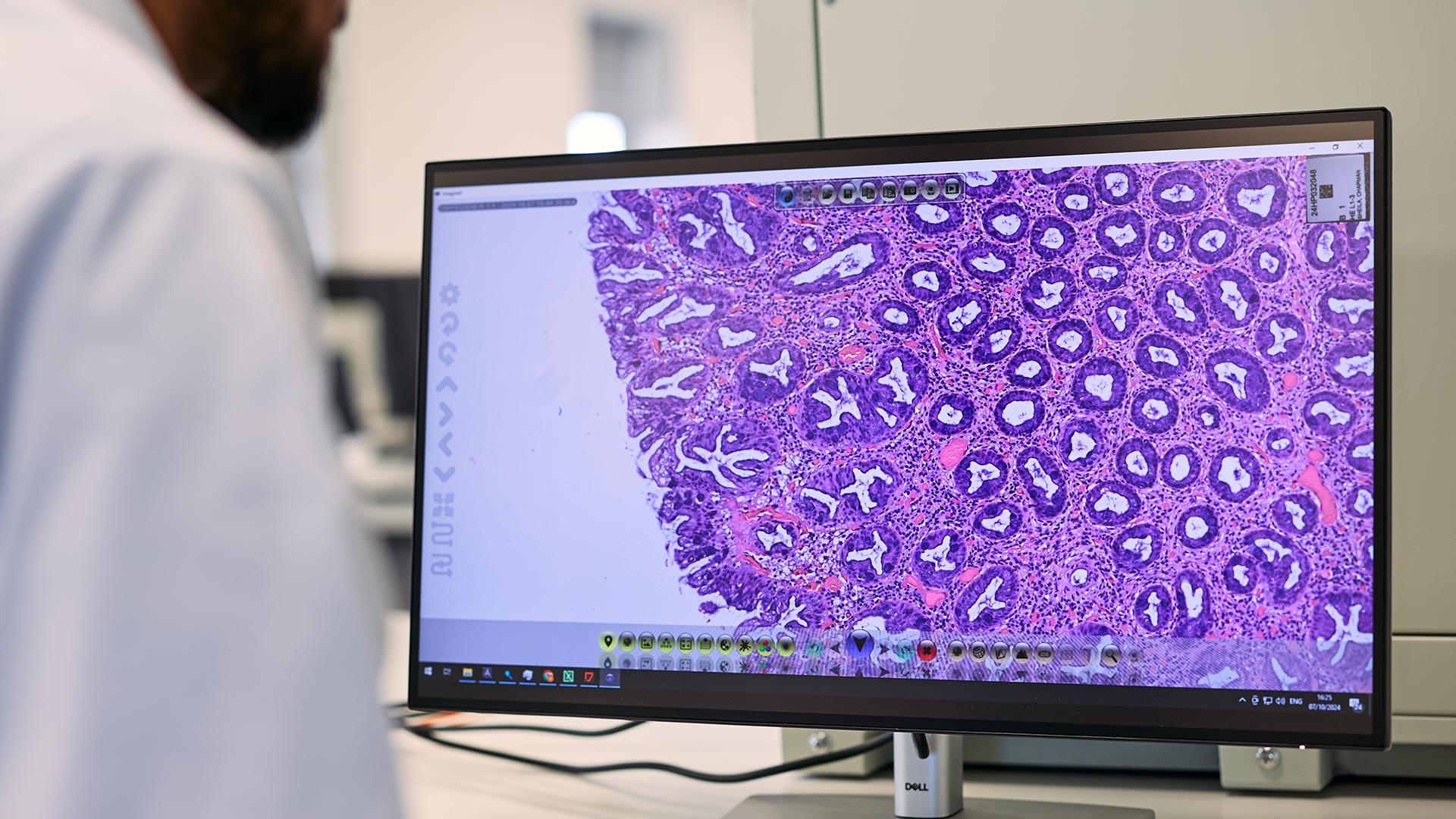
Digital pathology transforms diagnostic capacity from a location-bound staffing question into a distributed infrastructure model. Slides are digitized and securely hosted, allowing cases to be routed directly to licensed pathologists aligned with the appropriate level of expertise. Instead of hiring one individual to cover one site, laboratories gain access to coordinated diagnostic capacity that can absorb volume fluctuations, support specialized service lines and maintain continuity during recruitment or retirement transitions.
Modern digital platforms are HIPAA and CLIA compliant and designed for integration with existing LIMS environments. Secure web-based reporting enables consistent workflow without repeated credentialing and onboarding cycles. Capacity can be scaled without restarting recruitment, privileging and system access processes each time coverage changes, because expertise is credentialed and established in advance.
Diagnexia operates within this infrastructure model as a digitally integrated extension of the department, not a temporary staffing agency. Cases are assigned through a secure cloud-based platform designed for primary diagnosis, with all reporting completed by pathologists licensed in the client's specific state, maintaining full compliance with state licensure requirements and CPT billing continuity. The emphasis is not filling shifts, but embedding measurable diagnostic capacity into the laboratory’s long-term structure.
Commercially, this shifts the model from variable day-rate spending to predictable capacity planning. Operationally, it reduces reliance on individual availability and strengthens resilience across service lines.
From Coverage to Capability
Locums will continue to serve a role in acute, short-term scenarios. But when temporary solutions become routine and recruitment delays persist, the challenge is no longer staffing. It is structural capacity.
Digital pathology changes the equation. Instead of filling shifts, it builds durable diagnostic capacity. Instead of reacting to vacancies, it distributes workload across a coordinated network of expert pathologists. Instead of restarting credentialing and onboarding cycles, it embeds scalable coverage into the operating model itself.
Most labs don't decide to restructure capacity. They just keep renewing locum contracts until the budget conversation forces the issue. If you're already having that conversation, it's worth pressure-testing what a different model could cost, and cover, before the next vacancy lands on your desk.