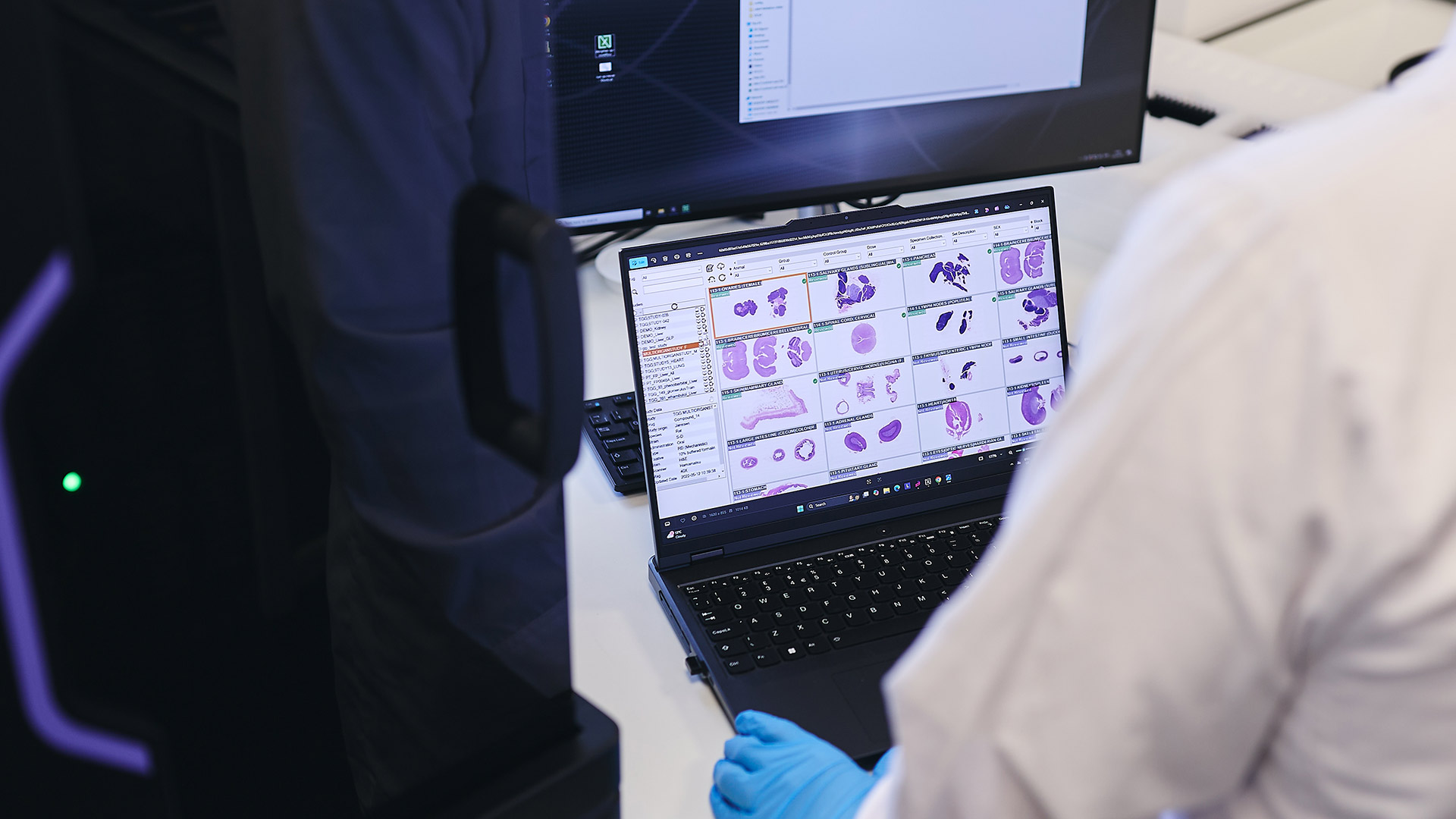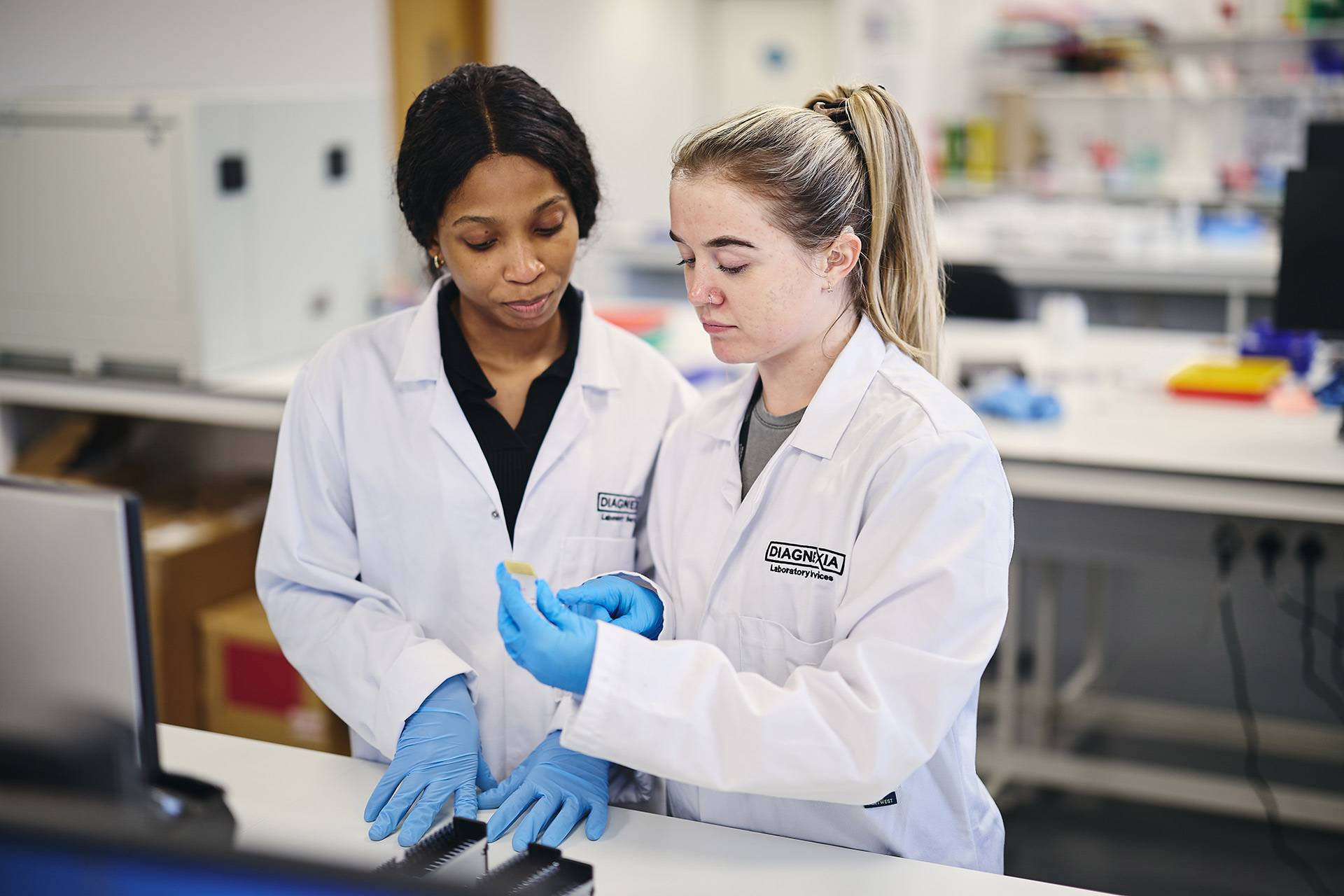
The Risk Isn't Going Digital. It's Being Afraid To
For years, digital pathology sat in the "someday" column of strategic planning. Not rejected. Deferred. And for the labs that held back, that reflected the environment they were actually operating in.
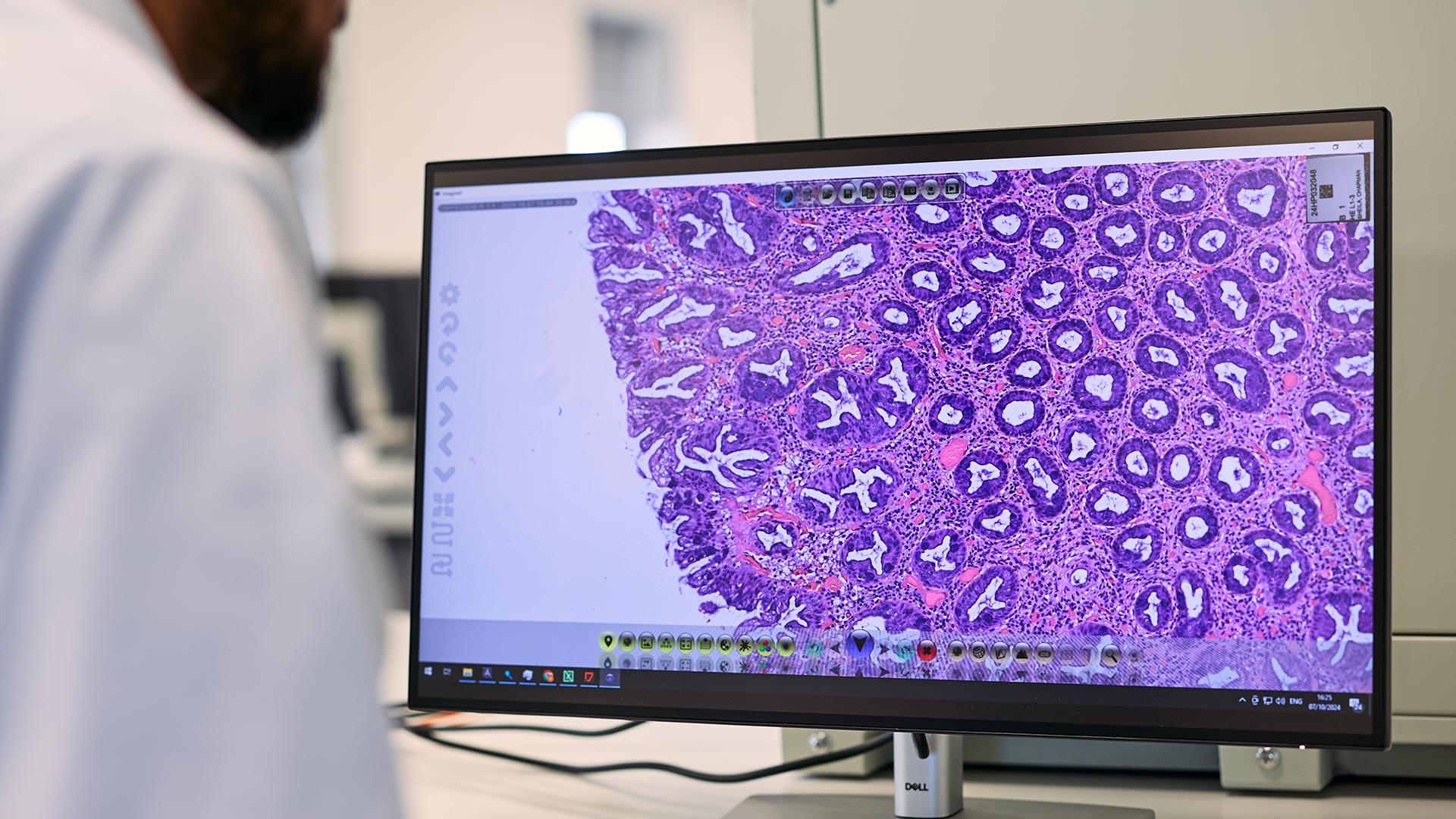
Diagnexia gives you on-demand access to trusted subspecialty pathologists so you can stop patching gaps and start delivering consistent diagnostic coverage.
Compare Locum vs Diagnexia Cost Impact“Never scramble for weekend pathology coverage again.”
Prof Runjan Chetty, Diagnexia CMO
Share This Article
The Waiting Made Sense. Until It Didn't.
For years, digital pathology sat in the "someday" column of strategic planning. Not rejected. Deferred. And for the labs that held back, that reflected the environment they were actually operating in.
When staffing pipelines were functional and volumes were manageable, the urgency simply was not there. Waiting was a defensible position because those barriers existed within a very different operating environment, one in which a lab director could reasonably expect to recruit, retain, and backfill positions. A retirement triggered a search process, not an operational emergency, and subspecialty gaps were frustrating but manageable rather than systemic.
The perceived risk was grounded in real operational concerns. Early whole-slide scanning required substantial upfront capital. LIS integration was inconsistent and often resource-intensive. Workflows designed around glass slides did not translate cleanly into digital environments without friction. And without clear reimbursement pathways, building a defensible ROI case was genuinely difficult.
Some of those concerns have been addressed by the maturity of modern platforms. Others, particularly the capital investment required, remain real. What has changed is that they are no longer the only path to a digital workflow.
The Operating Reality That Changed the Equation.
The capability concerns that once justified hesitation have largely been addressed. Seamless integration, workflow compatibility, and diagnostic quality have been demonstrated at scale. Yet as the technology matured, the pathology workforce began a contraction it has not recovered from.
According to the ASCP, the U.S. needs up to 840 new pathologists per year to meet projected demand. Roughly 600 enter the workforce annually. With 35.6% of practicing pathologists aged 60 or older, the gap between exits and entries is widening, not closing. A decade-long pathway to board certification and an average recruitment cycle spanning 6-12 months means retirements cannot be rapidly backfilled. Meanwhile, cancer diagnoses are rising, an aging population is generating more complex cases, and subspecialty demand across dermatopathology, GI, hematopathology, and neuropathology continues to outpace what many single-site labs can staff independently.
For laboratory and hospital leadership, the question is no longer whether digital pathology works. It is whether legacy assumptions are being allowed to drive decisions that the operational realities of today no longer support.
The Concerns Were Legitimate. The Solutions Have Caught Up
Pathologists have refined their diagnostic environments over decades. The concern that going digital means dismantling what works is understandable. But it reflects an earlier generation of digital pathology, one that demanded full infrastructure commitment before delivering any clinical value.
The version of digital pathology that warranted caution is not the version that exists today. Integration-light platforms now work around existing LIS environments rather than requiring labs to rebuild around them. Labs that operate with glass slides can access digital capacity without buying a scanner. Labs that already have scanners can activate remote subspecialty support without changing how they assign or report cases. Reports go out under the lab's own brand, through its own workflows. Nothing changes on the client-facing side.
This is how Diagnexia operates. Not as a replacement for what a lab has built, but as a layer that sits around it. A dedicated bench of board-certified, fellowship-trained subspecialists is matched to each practice, credentialed for its state and billing requirements, and held to the same standards the lab would apply to a direct hire. Cases move through CAP-compliant processes with full audit trails. AI-enhanced quality overlays add a second layer of review across every case without displacing pathologist judgment.
The Cost of Waiting Has Compounded
Hesitation never appears on a budget line. It does not generate a variance report or trigger a board conversation. But it carries a cost that accumulates quietly: in locum spend that escalates year over year without producing a long-term staffing solution, in subspecialty gaps that get routed around rather than resolved, in revenue that does not get captured because the capacity to read it simply is not there.
For many labs, the capital cost of digital pathology has been the concern that outlasted all the others. A single whole-slide imaging scanner can carry a price tag above $300,000. Add cloud storage, viewer licensing, IT integration, and ongoing maintenance, and the total commitment can approach seven figures before a single case is read digitally. For labs operating on thin margins, that investment has been difficult to justify, and understandably so.
But the capital model is no longer the only model. Diagnexia's per-CPT pricing absorbs scanner hardware, cloud infrastructure, and platform maintenance within the service itself. There are no minimum volumes and no idle capacity to carry. Coverage scales with demand, not against it.
The Wait Became the Risk.
Rational hesitation has a shelf life. The barriers that once made waiting the defensible position have either been addressed or been overtaken by a workforce reality that is not self-correcting. The labs that are moving now are not doing so because the technology became irresistible. They are doing so because the alternative, continuing to recruit in a shrinking market, cover subspecialty gaps with generalists, and absorb locum costs that compound annually, stopped being sustainable.
Modern digital pathology is not designed to disrupt how laboratories operate. It is designed to stabilize them.
If your lab is weighing these questions, Diagnexia was built around answering them.